Assessment of Nutritional status using ‘WHO Anthroplus’ software among school going children in a rural area of Western Maharashtra

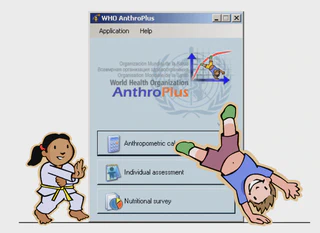
India is home for one in every three malnourished children across the globe. It is also a leading cause of decreased school performance and an array of diseases later in life. To standardize measurements for nutritional status among school children, WHO recommends use of z scores based on WHO Reference 2007 Duration of the study- May-June 2013 Objective - To determine nutritional status using WHO z scores in school going children (5-14 years) Materials And Methods A cross sectional study conducted in co educational primary school children at rural practice area of medical college. Nutritional status was determined using standardized technique recommended by Jelliffe for anthropometry by trained personnel. Analysis was done using WHO Anthroplus and Epi 6. Height/Age and BMI/Age was evaluated for all children and weight/age for 5-9 years Results and Conclusion Amongst 275 children, Mean Weight/Age, Height/Age and BMI/Age was less than WHO reference 2007. 21.2% were underweight and 6.9% were Severely Underweight. 9.1 % were stunted and 1.1% were <-3SD for Height/Age. The prevalence of underweight decreased and stunting increased significantly with age. 57.8% of children had normal BMI for age. 40% were thin and 15.6% were found to have severe thinness. No child was found obese but 2.2 % were overweight. There was no statistically significant difference in prevalence of Underweight and stunting across sexes. However, prevalence of thinness was significantly higher among males and in the higher age group. Regular anthropometric monitoring should be carried out for improvement in overall nutritional status amongst school children
